Before they buy, they type 'non-toxic Lululemon' into TikTok and trust the clip that answers. Whatever performs becomes the answer — and they wait for proof before the credit card comes out.
“A few weeks ago I asked the internet for the best non-toxic alternatives to Lululemon and you guys delivered… over 600 recommendations later, I'm officially putting them to the test.”
@toricolli — the category's search bar, answered by a person ↗“If they pass the test I will put my credit card down”
@miga065 — she searches for proof first, then buys ↗Top 10 Brand Formats
Ten posts a brand can actually shoot in-house — no influencer required. Educational, founder, drop, proof, partnership, meme and vibe. Each is an anatomy plus the levers that make it travel.
Pact turns 'going natural' into a calm, do-able first step — 'you don't have to swap everything at once.' It answers the exact phrase people type into search, so the brand becomes the answer they find.
How to make it spread
- Open with the search query itself — 'want to switch to natural fibers? start here.'
- Lower the stakes: 'you don't have to swap everything at once' beats 'throw it all out.'
- Name what to check on the label so the video doubles as a shopping guide.
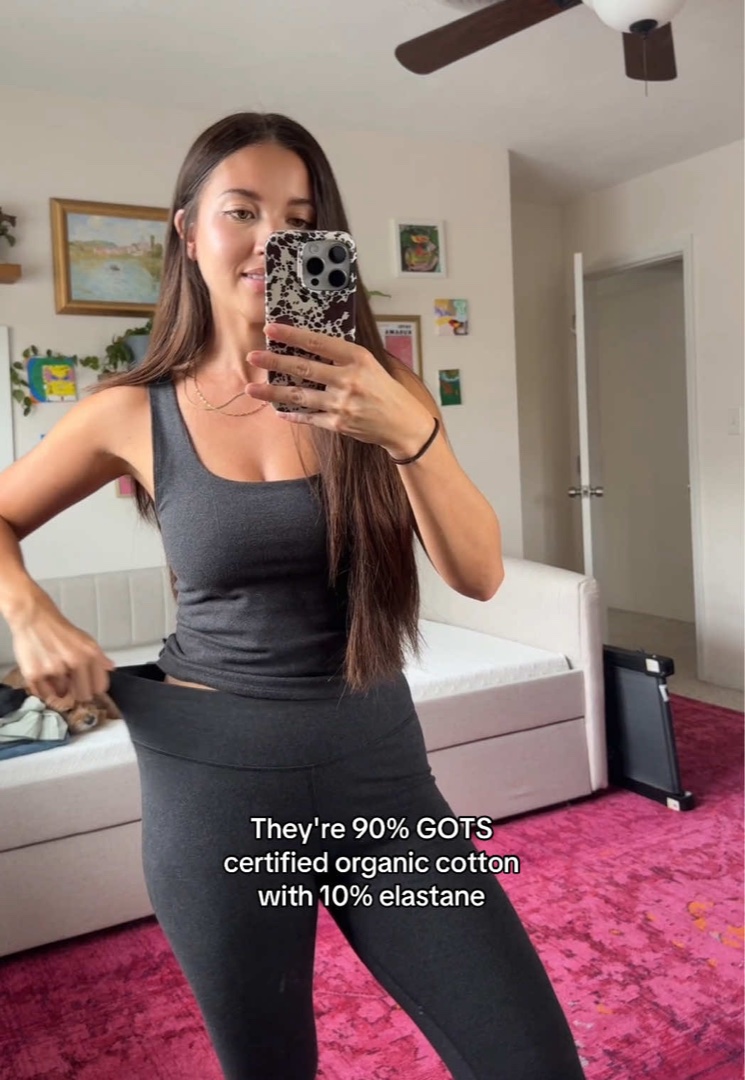
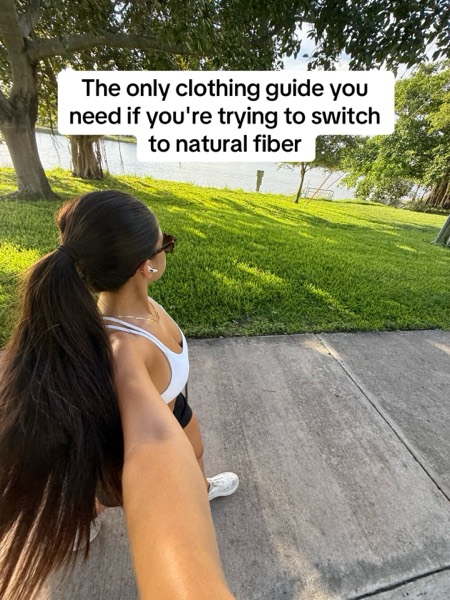
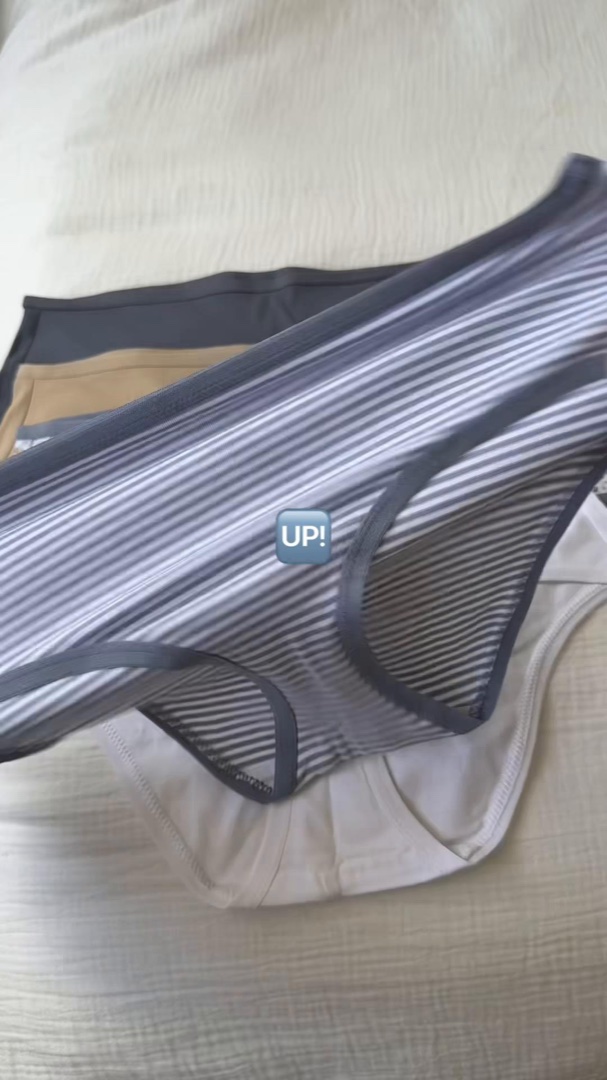
Pact's best-travelling posts pick a fight with plastic — 'a high price doesn't equal high quality' — and let organic cotton win on contrast. Naming the villain makes the choice feel obvious.
How to make it spread
- Pick one villain — plastic, PFAS, the $100 price tag — and stay on it, don't hedge.
- Show the contrast physically: stay here vs go up, their label vs yours.
- End on the choice, not the chemistry — make switching feel like the smart-person move.

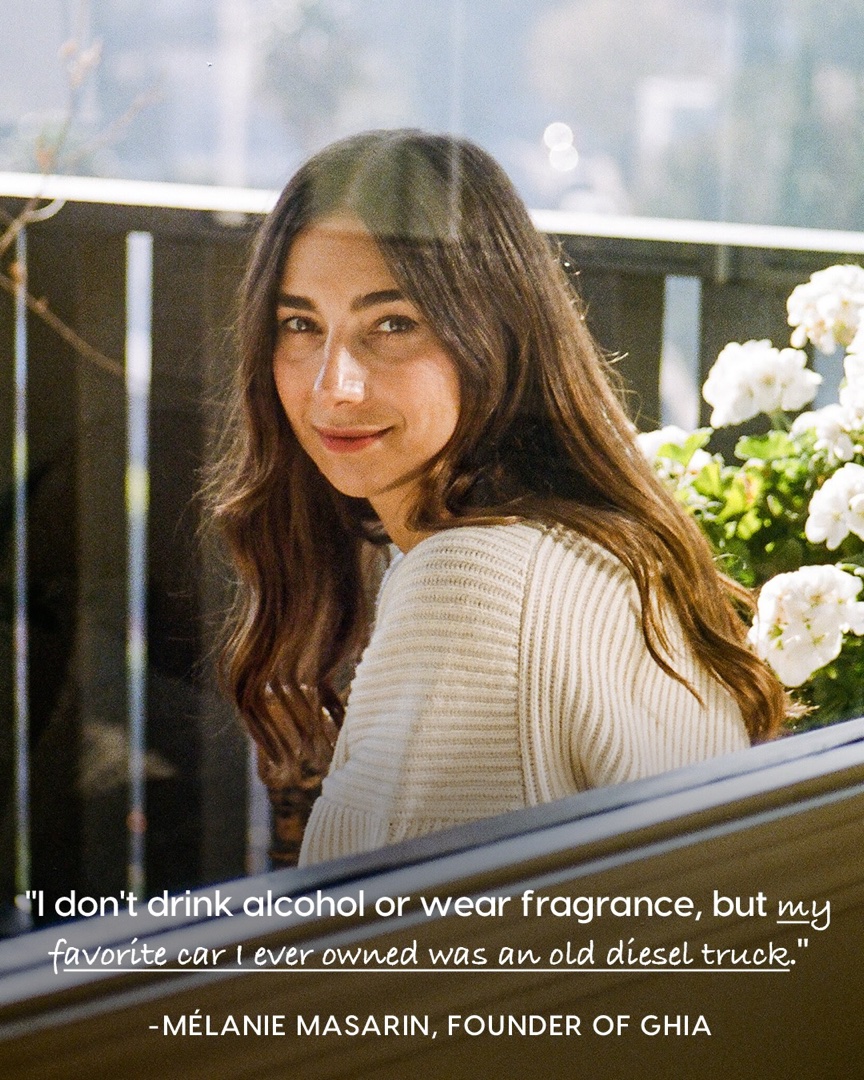
MATE films its founder and 'founder friends' talking values, not leggings — 'clean clothing isn't a trend.' It's the format AI and shoppers read as proof the brand actually means it.
How to make it spread
- Put a real named person on camera — founder or team — not a faceless brand voice.
- Confess, don't polish: admit the un-clean parts of your own life so the values read as honest.
- Say the belief out loud ('this isn't a trend') so it's quotable and re-postable.
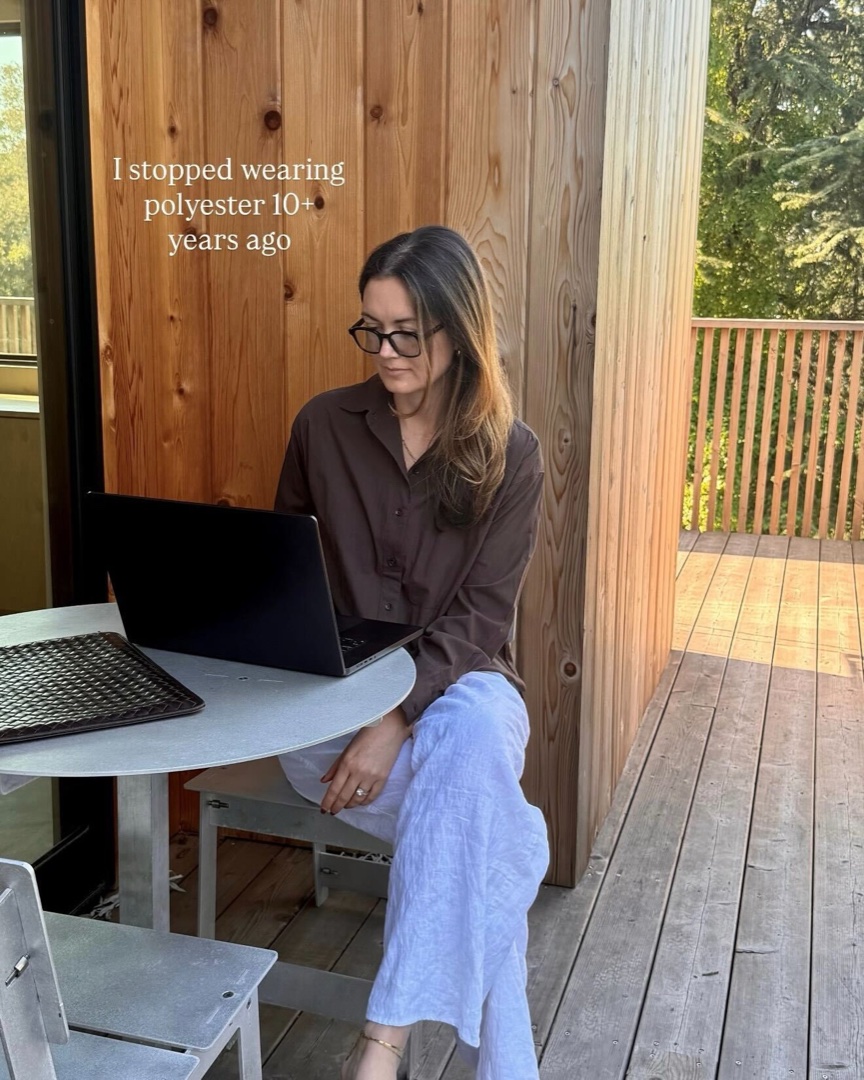
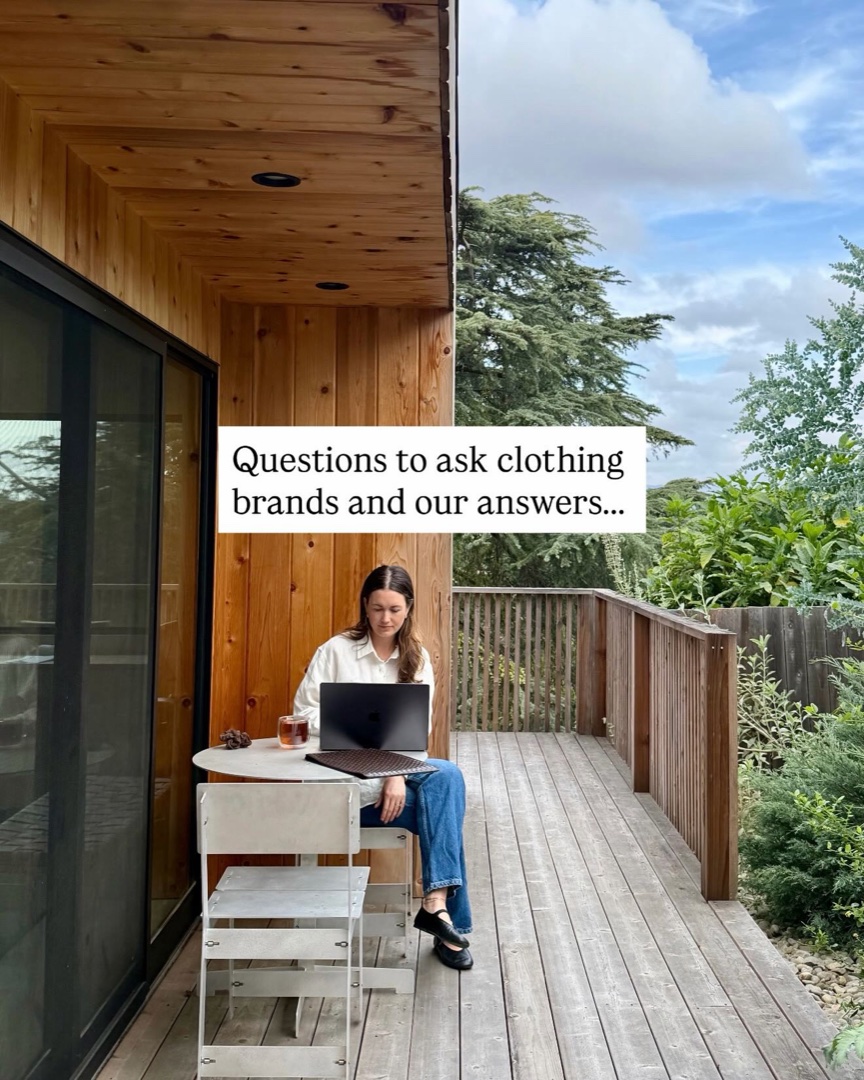
MATE answers 'clean' FAQs from its founder and lists '13 ways we keep it clean' — turning trust into a countable, screenshot-able post. This is the exact material AI reassembles into a recommendation.
How to make it spread
- Make proof countable — '13 ways', a licence number, a GSM — not a vague 'we care.'
- Answer the real question ('is it actually clean?') in the founder's own voice.
- Pin it: this is the post you want AI and a doubter to find first.

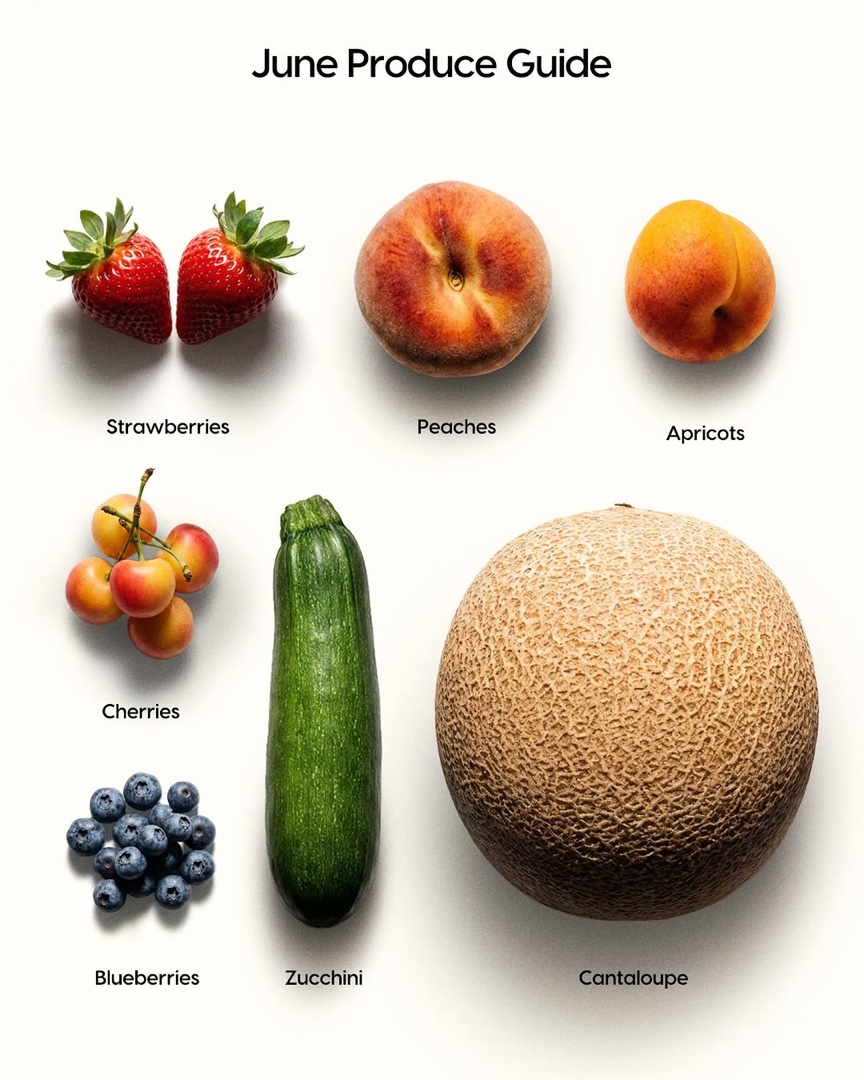
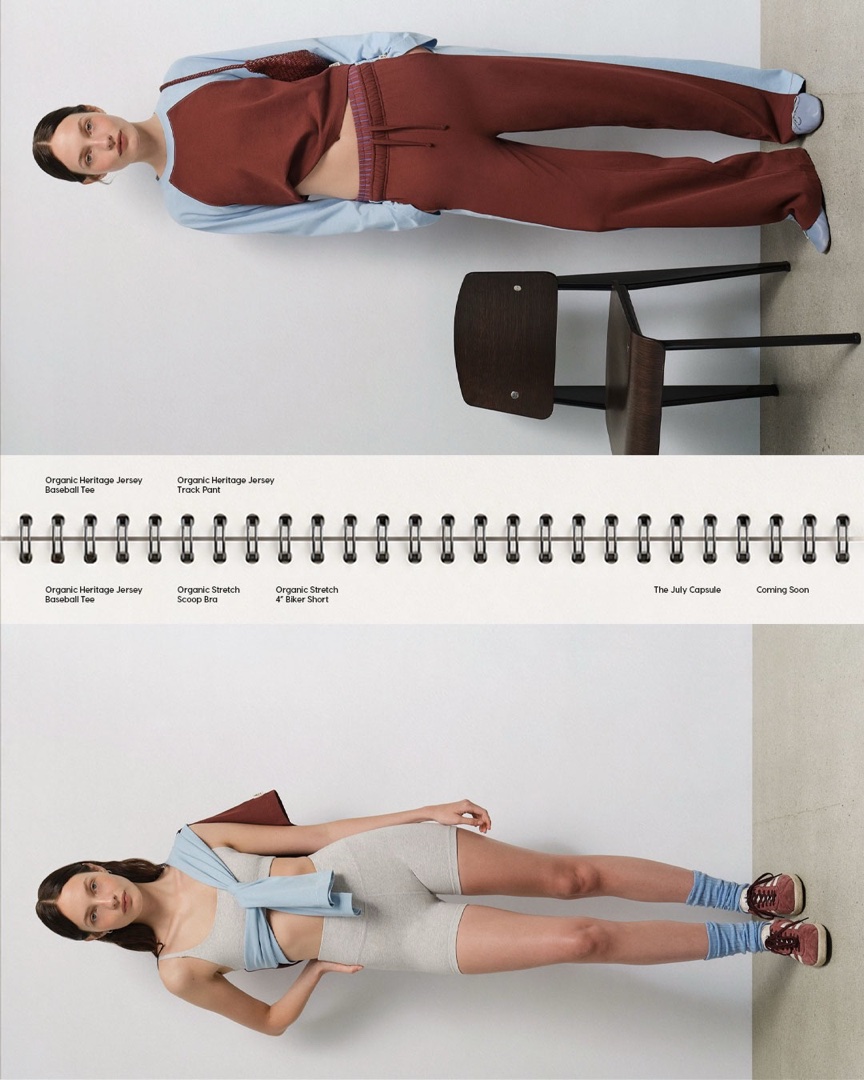
MATE runs a monthly 'capsule' calendar — 'in season now… in season soon.' The drop cadence borrows Lululemon's scarcity without Lululemon's budget: small, dated, repeatable.
How to make it spread
- Date it: 'coming 4.8' plus a month name creates a return-appointment.
- Keep it small and seasonal so the scarcity is real, not manufactured.
- Tie the drop to something outside fashion (what's in season) so it feels like a ritual, not a sale.
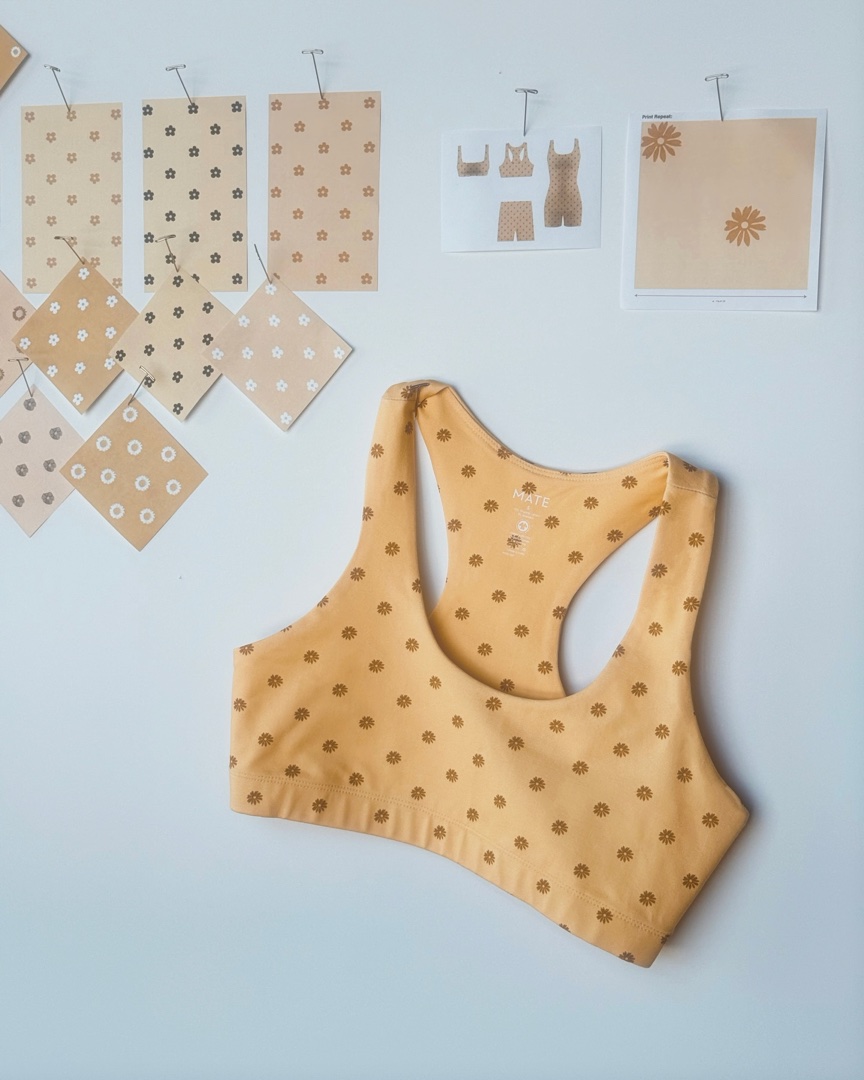
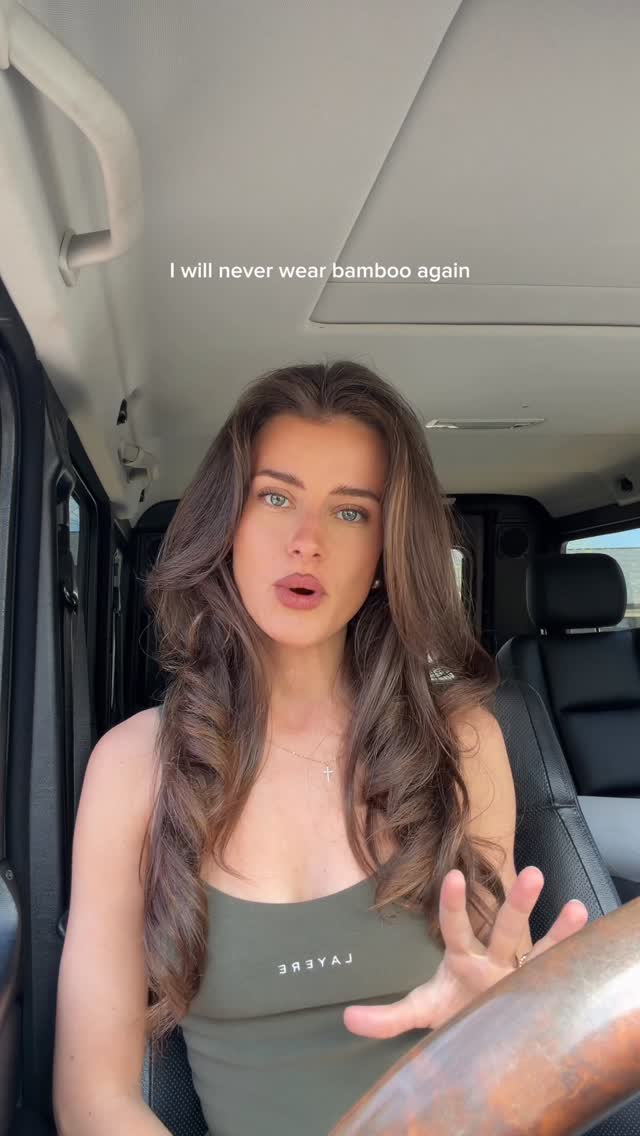
MATE goes 'behind the print' with its designer; Layere takes apart the bamboo myth — 'is bamboo fabric actually what it's marketed to be?'. Either show how the cloth is made, or debunk the fibre everyone gets wrong. Both turn material into a story you can only tell if you actually make things.
How to make it spread
- Name one real person and one real place — 'Jacqueline, our designer' beats 'ethically made'.
- Or attack a fibre myth: bamboo, 'recycled' polyester, superwash merino all mislead people.
- Show the sketch, the mill, the swatch — the process nobody normally gets to see.
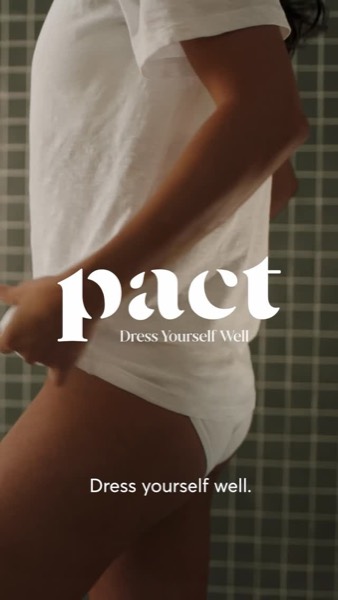
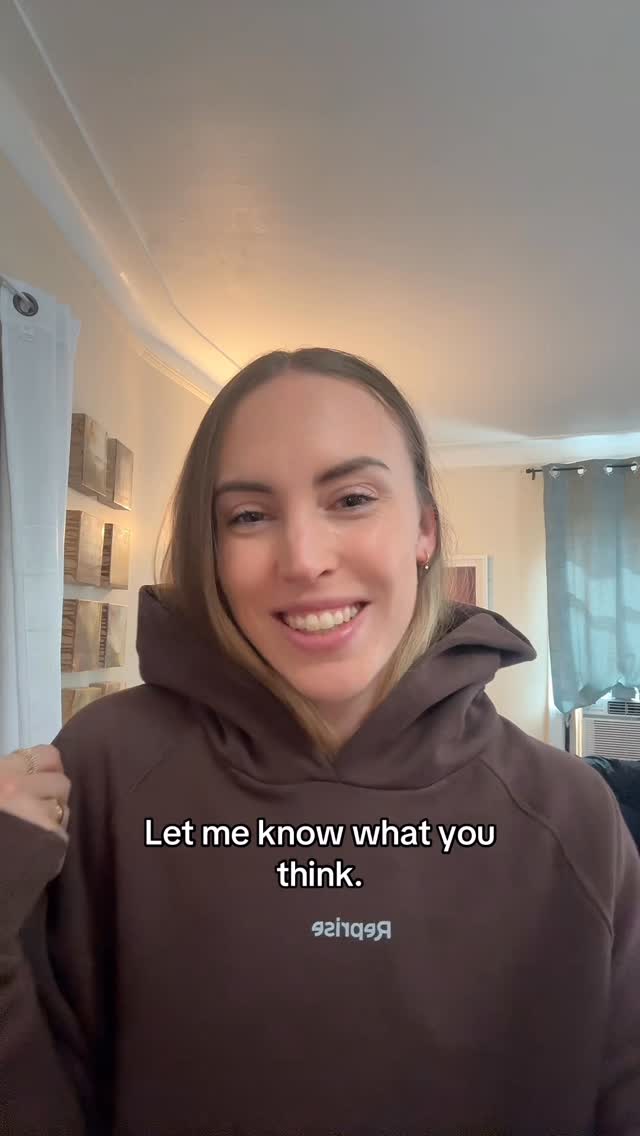
Reprise asks which colour to make next and lets the comments decide; Pact posts 'behind the scenes, we've been listening, refining.' Handing over the decision turns buyers into part-owners — and it gives you a launch that already has an audience waiting for it.
How to make it spread
- Ask a question you will genuinely act on — a fake poll gets found out.
- Quote the original request in the hook so the person who asked feels seen.
- Come back and show the answer shipping. The loop is the format.
Layere announces a launch date, a time and a phone-number sign-up, then tells everyone it sold out. Scarcity does the selling and the SMS list becomes the asset — the single most copyable move here for a brand that has not launched yet.
How to make it spread
- Give an exact date and time — vagueness kills a drop.
- Capture a phone number, not a follow: it survives the algorithm.
- Publish the sell-out afterwards; the scarcity is the story.
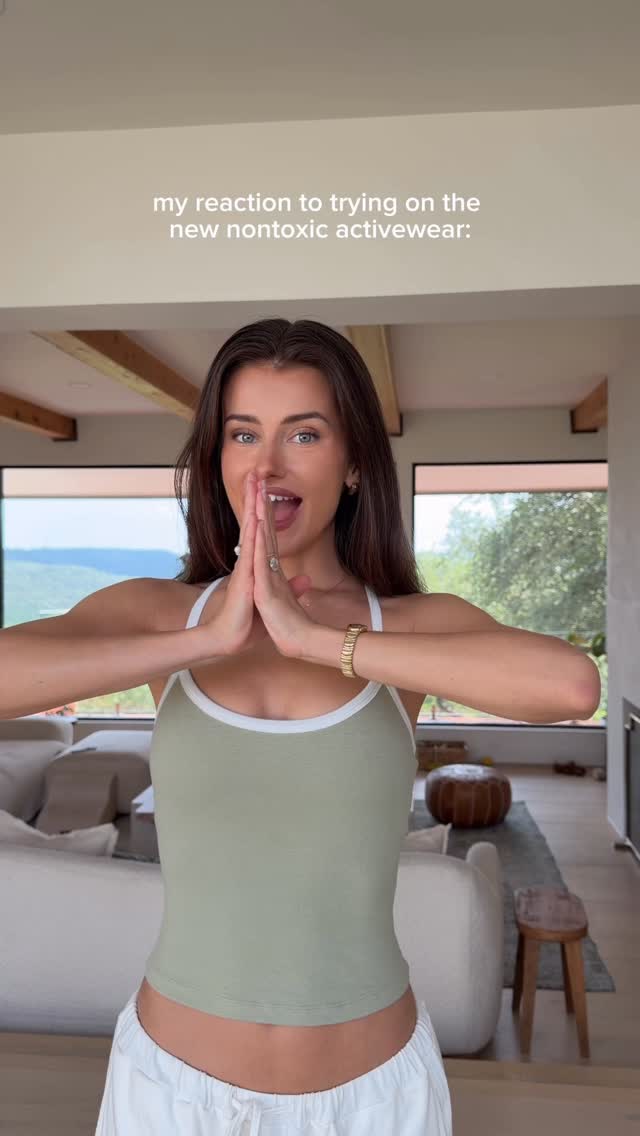

Pact's lightest posts are self-aware confessions — 'my body's been trying to tell me this for years' — that carry the switch message inside a joke. Entertainment travels further than a lecture.
How to make it spread
- Be self-deprecating, not preachy — 'a fabric label humbled me' beats 'you're wearing plastic.'
- Bury the message inside the bit; the swap is the punchline, not the pitch.
- Keep it short and taggable — the share is 'lol, this is me.'
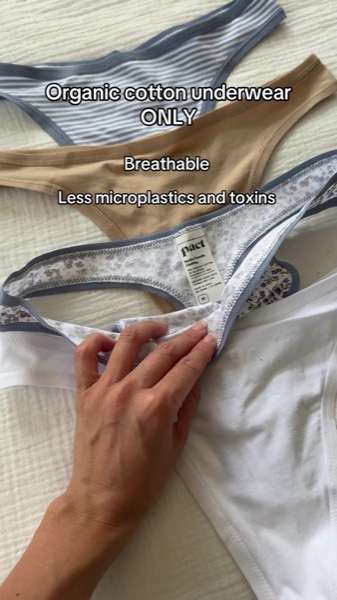
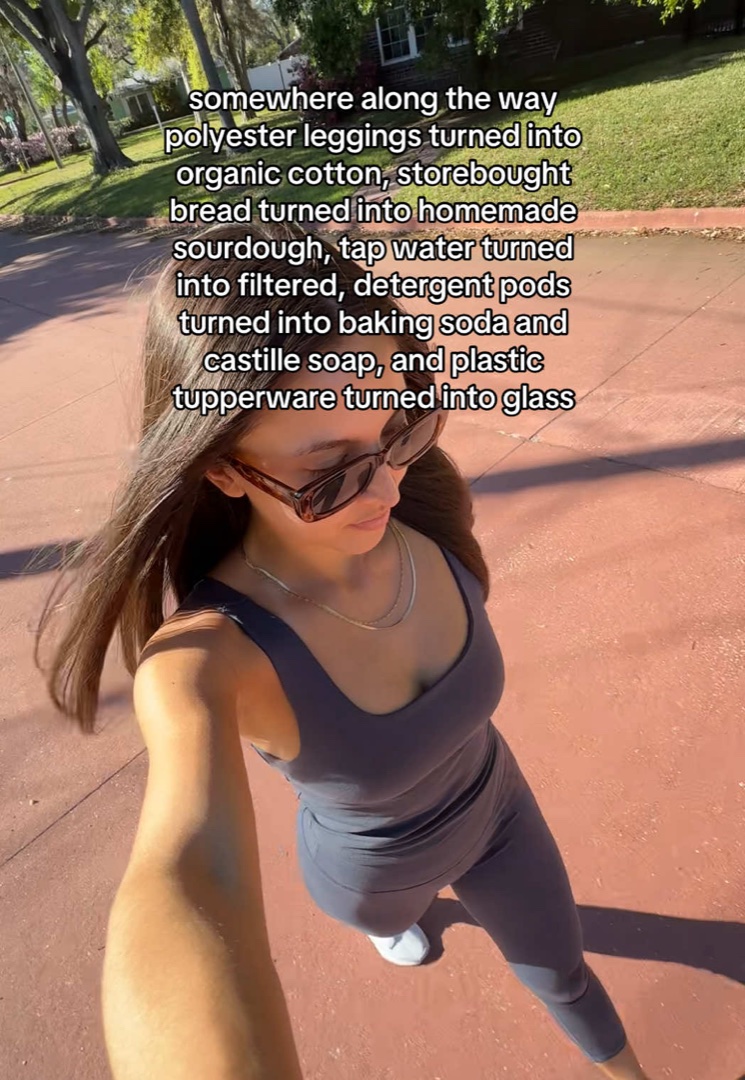
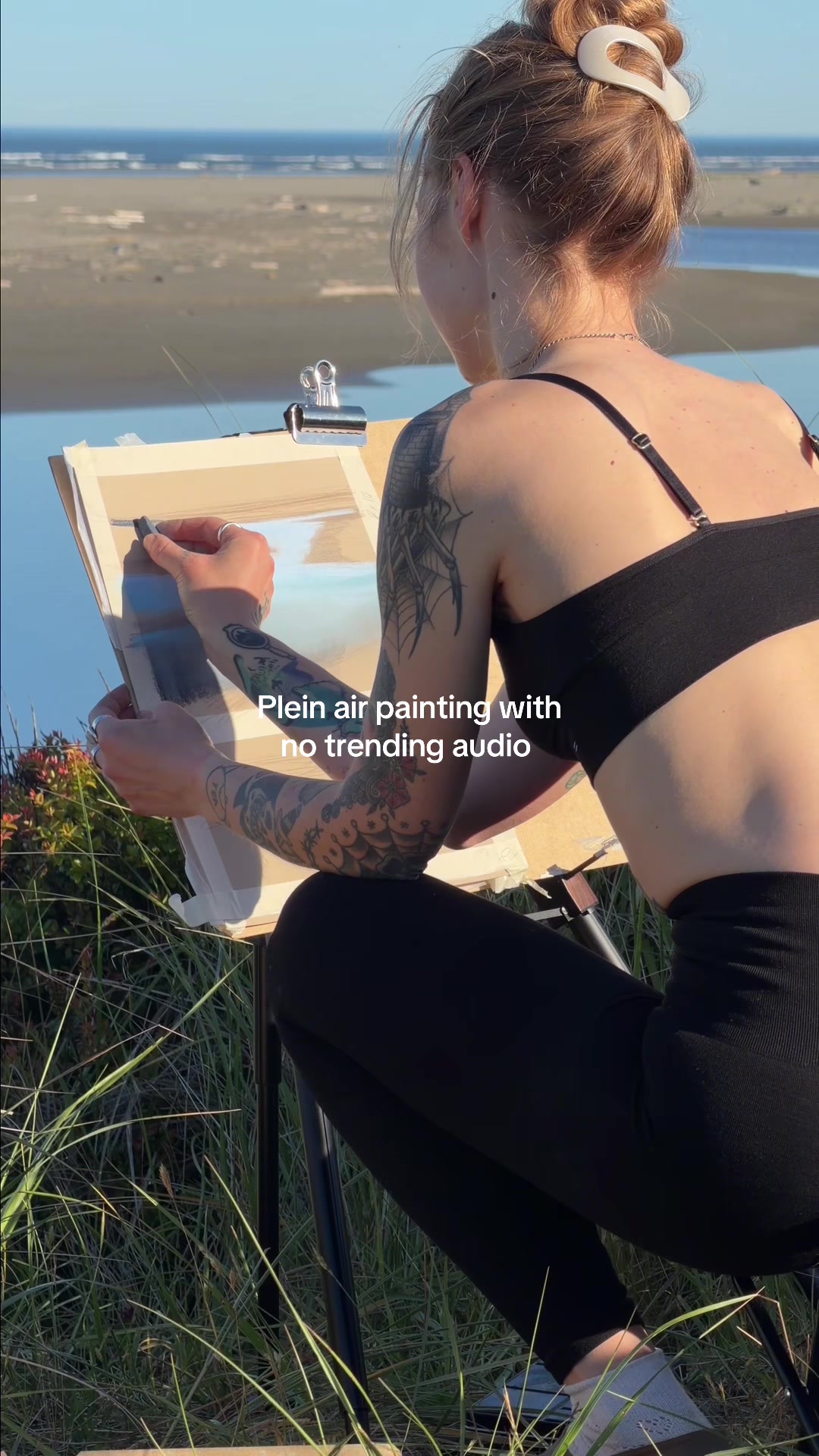
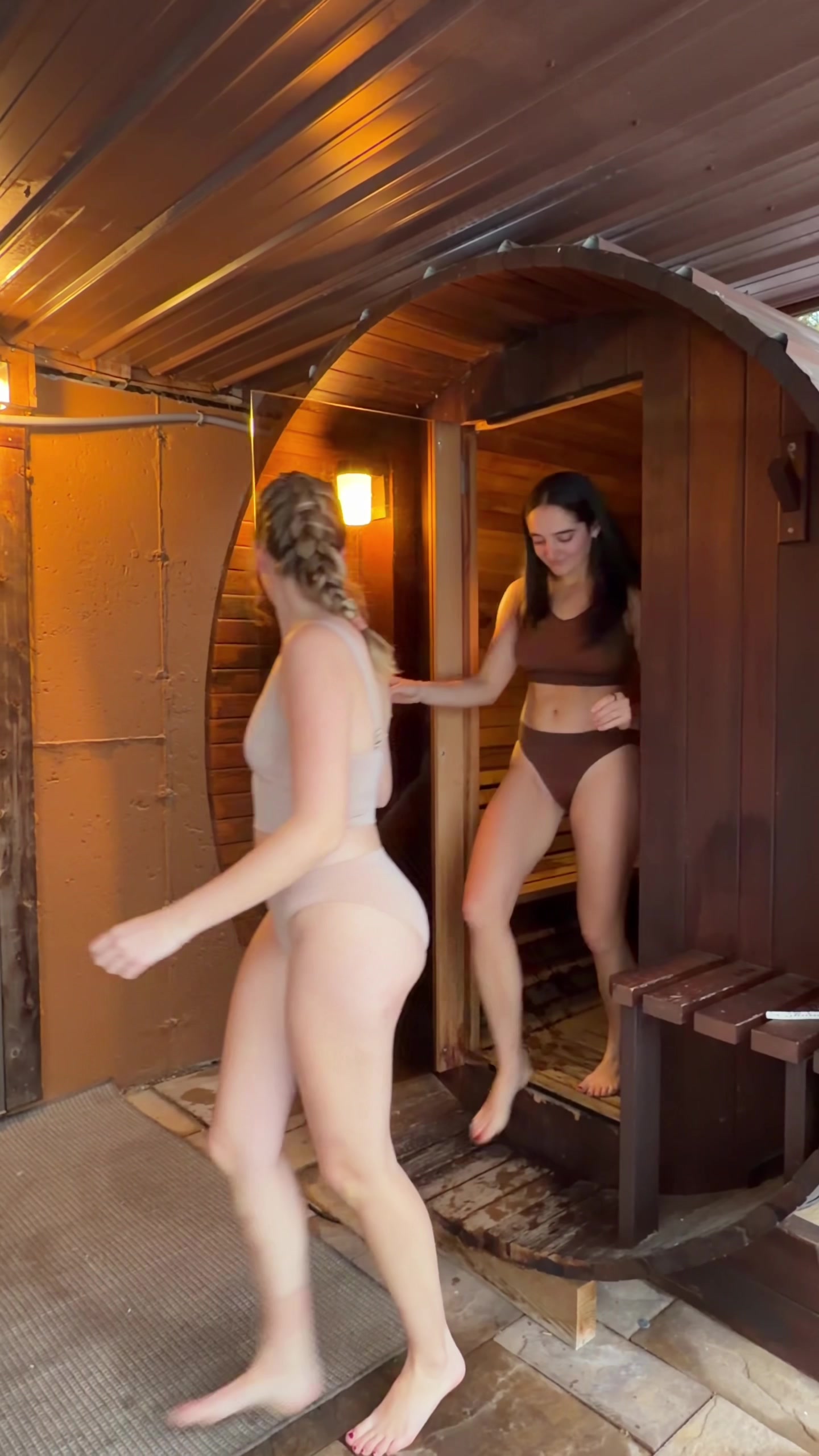
Branwyn films soft pastels and fresh air, or a girls' trip to the sauna. It is the most beautiful work in this category — and on its own it earns the least of any format here. Use it to make people want the life, then put a proof post right behind it. The vibe pulls them in; the test closes them.
How to make it spread
- Sell a feeling, not a spec — the product just lives inside a life people want.
- Invest in look and sound; this is the one format where polish earns its keep.
- Never run it alone. Pair every vibe film with a test, or it is decoration.
Top 10 Influencer Formats
The formats that need a creator's face and following. Every one is an anatomy — hook, body, proof, payoff — plus the viral levers, pulled from watching the real videos.
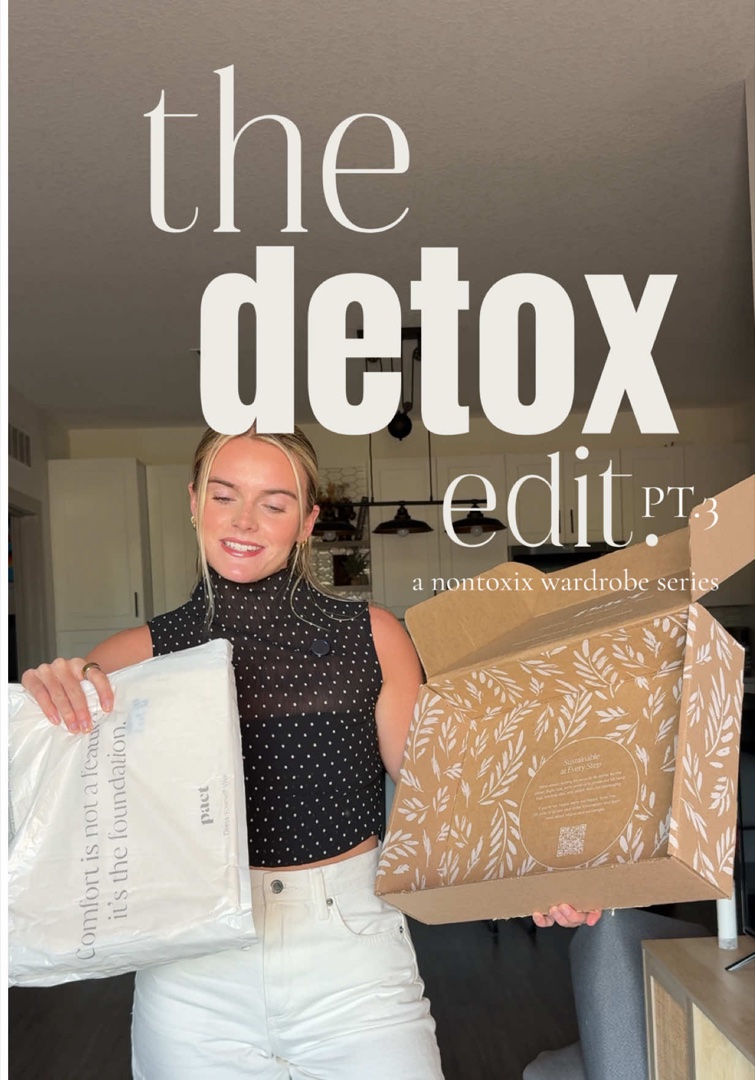
@hannahhhh_jones tries a Pact organic-cotton set she paid for herself and shows it worn — 'GOTS certified, fair trade, more affordable than I expected, and this is not sponsored.' Worn-and-moving is the risk-reduction a flat-lay can't give.
How to make it spread
- Hook: open on your body mid-movement with a text overlay — not a styled flat-lay.
- Trick: run one honest stress test on camera (a squat, a stretch) and say the verdict out loud, even when it fails.
- Spreads because seeing it worn on a real body is the risk-reduction a beauty-shot can't give — that's the save.
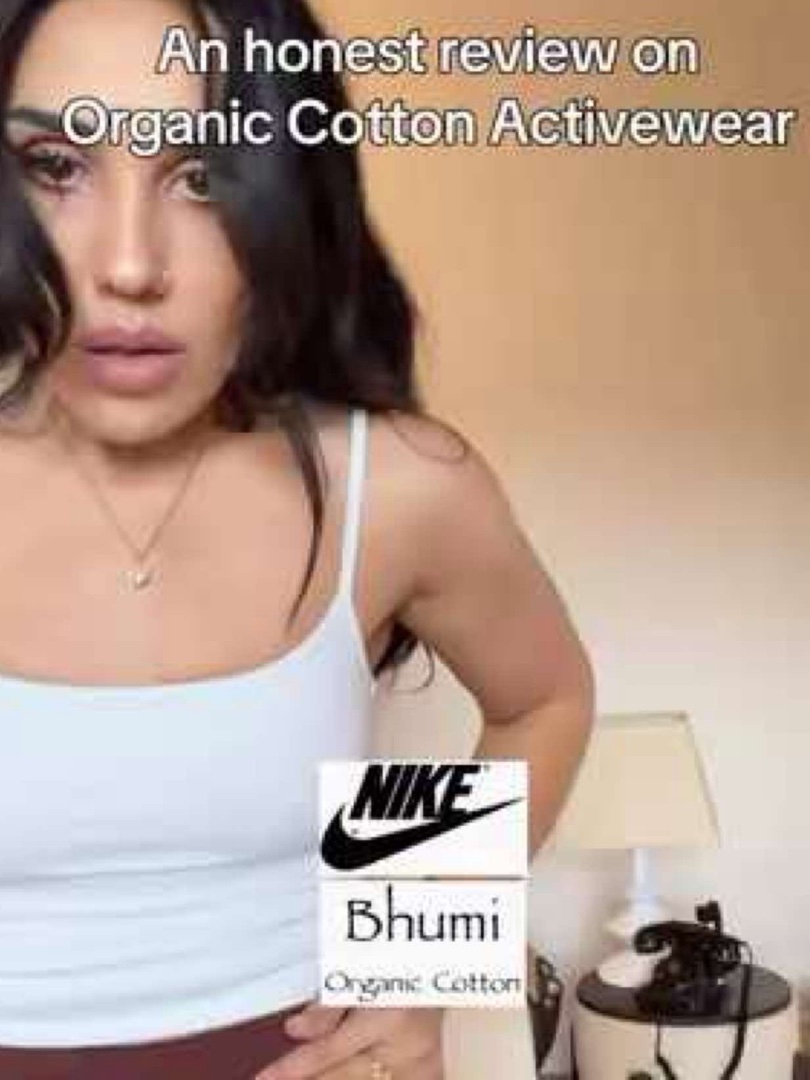
@kristinecrouch ranks 15 brands and 21 pieces in one sitting — the buy-the-whole-shelf comparison a brand structurally cannot run on itself. You get gifted in, you don't fake it.
How to make it spread
- Hook: a number and a cut — 'I tried 15 brands, here are the 3 to skip.'
- Trick: name the losers, not just the winners — 'this one's just regular cotton, not GOTS' — honesty is the credibility.
- Spreads because viewers outsource the audit to someone with no stake; trust transfers from the tester, not the brand.
@landisenglish builds her brand out loud — 'building my dream brand and it's fueling me' — a female founder putting the mission before the merch. Joint-highest engagement, and almost nobody funded makes it.
How to make it spread
- Hook: lead with the hard part — 'building my dream brand' or 'what the factories really told me' — face to camera.
- Trick: show the thing you made doing something (the grip sock, the convertible waistband) so the mission has a proof object.
- Spreads slower but deeper: a named, struggling maker turns an anonymous product into a person people root for.
@nontoxicdad walks Target as an environmental scientist and names the losers beside the winners — 'Meyer's is greenwashing', 'Molly's Suds has a plastic coating' — so people forward it as a warning. Sharing it is an act of care.
How to make it spread
- Hook: a calm reframe or threat — 'what I'd never buy at Target as an environmental scientist.'
- Trick: borrow a fresh news study for authority, and name specific losing brands beside the clean picks.
- Spreads as care-by-proxy: people forward 'this is in your clothes' to protect a partner or kid — the share is love.
@healingwith.elena lists five things she quit going low-tox — synthetic sportswear swapped for organic among them — a this-for-that list people bookmark to buy later. Cheap to shoot, easy to serialise.
How to make it spread
- Hook: a promise and a count — '5 things I stopped using' or 'every plastic-free swap.'
- Trick: pair each problem with a specific this-for-that replacement, tagged so it's instantly shoppable.
- Spreads because a save-to-shop list is useful forever, and it recurs every time you find one more swap.
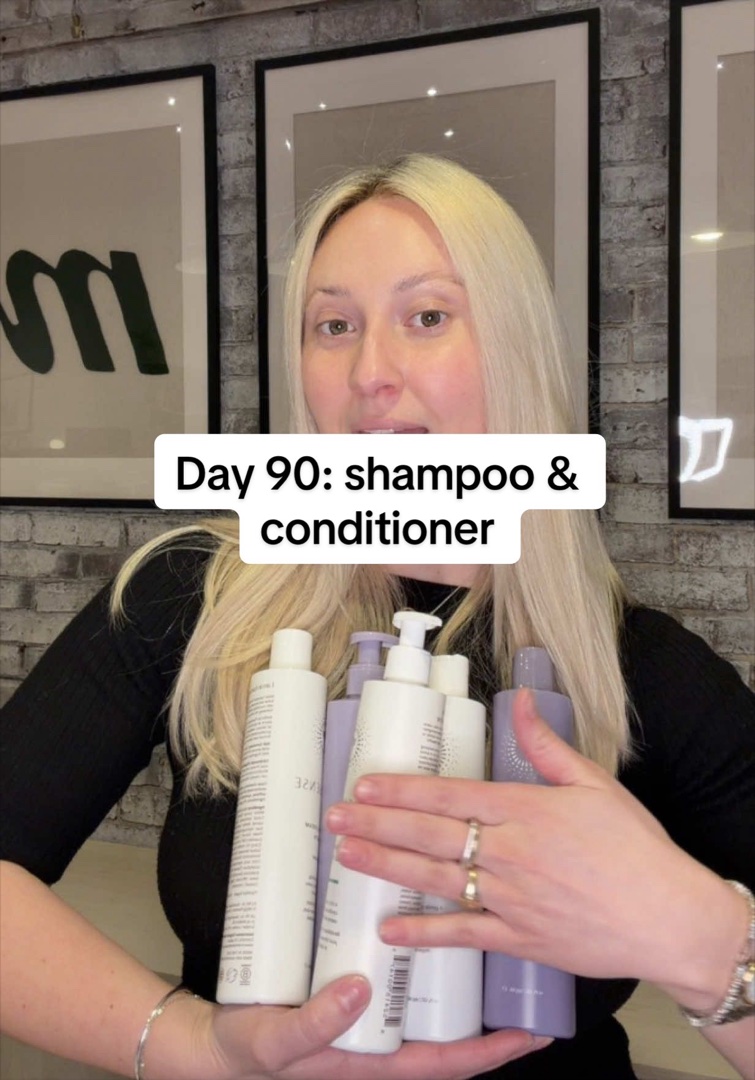
@detoxyourdome runs 'day 90 of 365 days of non-toxic living' — the product lives inside a daily routine people return for, and the episode number is the hook to come back tomorrow.
How to make it spread
- Hook: 'come with me on a low-tox day' — invite, don't sell.
- Trick: let the product live inside the routine (worn, used), and number the episodes so it becomes a series.
- Spreads by relatability: people follow a journey they can copy, and come back for the next episode.
@fridathemompreneur trades Lululemon for Pact organic cotton — 'bye to forever chemicals' — and reports it's breathable, cheaper, and holds the same support. It reads as testimony, not an ad.
How to make it spread
- Hook: a break-up line — 'saying goodbye to Lulu' / 'bye to forever chemicals.'
- Trick: contrast old vs new on one axis they care about (price, sweat, breathability) and end on 'no going back.'
- Spreads as testimony, not an ad — a personal conversion reads as true and travels past your own followers.
@pact answers a comment about $100 PFAS leggings by showing $25 GOTS organic cotton — 'nothing that's going to seep into my skin when I sweat.' A demo works to close a doubt, never to open a video.
How to make it spread
- Hook: state the doubt first — 'you're telling me $100 leggings are covered in PFAS?' — then answer it.
- Trick: demonstrate a single benefit on camera (it sweats clean, it snaps easy, it flips high-to-low) — one claim, shown.
- Spreads best as a reply to a real comment, so it reads as help rather than a pitch.
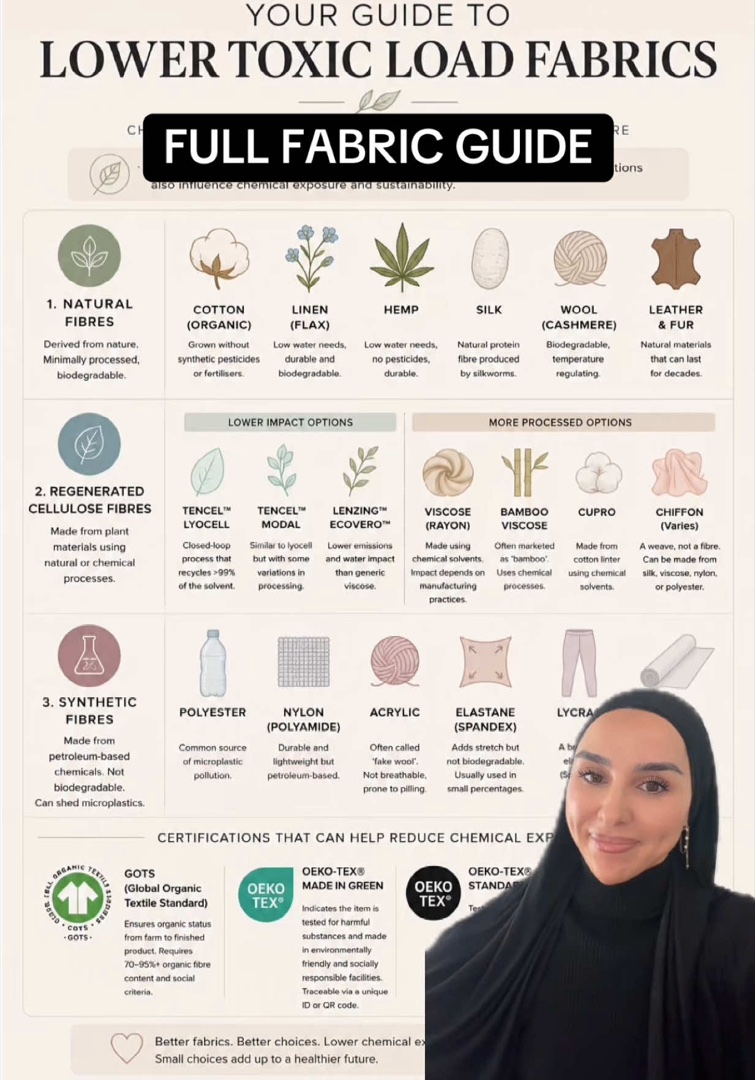
@joyner.shop corrects the cotton default — hemp lasts twice as long, linen breathes better, bamboo resists odour — a calm fibre lesson that reframes what 'natural' can mean. Pretty and on-brand, but few saves.
How to make it spread
- Hook: correct a belief — 'cotton isn't even the best natural fibre.'
- Trick: teach 3-4 fibres with one memorable property each; frame it as helping, not shaming, what anyone wears.
- Spreads as a shareable cheat-sheet — it makes the sender look informed and the receiver more careful.
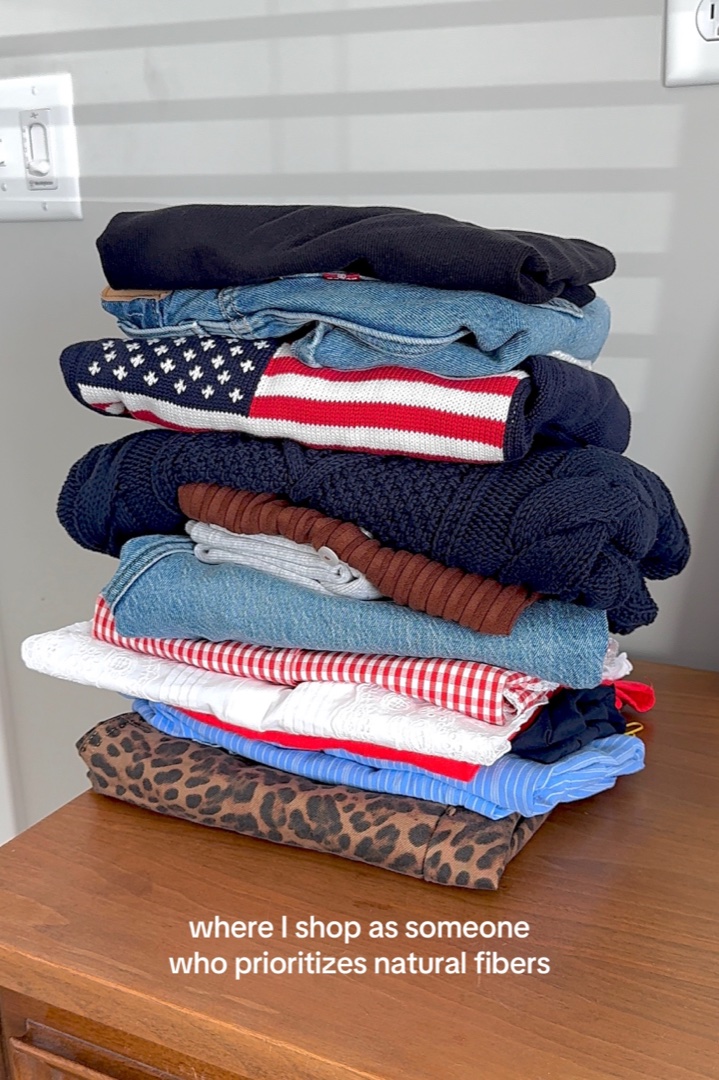
@jessicasolstice styles a 'borrow my gym clothes' skit around cotton pieces — pretty, high-reach, and barely saved. The flat-lay the whole category defaults to: it asks you to admire the brand, so nobody saves it.
How to make it spread
- Hook: none, really — a styled pose asks you to admire the brand rather than trust a test.
- Trick: there isn't one that earns intent; it wins reach on looks and spend, not saves or shares.
- Use it only as garnish between the workhorses — never as the lead a challenger builds on.
On YouTube the category is reviews-and-tests and brand roundups — the bottom-of-funnel shelf where the purchase actually gets decided. And the same names win: MATE is named 20 times to Pact's 10, the same order the AI recommendations and Reddit reach for. New challengers surface in YouTube reviews before they appear anywhere else.
Cadence & timing
How often to post, which platform to pick, and which days to show up — from six months of competitor calendars.
Cadence is a rhythm, not a race. The brands that win pick one platform and a couple of anchor days, then let the format do the work.
- How often
- Cadence swings from a handful a month to several a week. The category clusters at ~20–40 posts a month — treat that band as the target, not the extremes.
- Pick a platform
- Some go TikTok-first — Pact runs 170 TikToks to 63 on Instagram. Others stay Instagram-only, like MATE at 119 to zero. Pick one lead platform; don't split thin.
- When
- Tuesday and Thursday dominate the top posting days for almost the whole set — nine brands of ten. Anchor your week on both.
- More isn't reach
- The brand posting most often earns the least engagement; the one posting a fraction as often earns the most. Cadence and payoff run on separate tracks.
- Do this
- Pick one lead platform, post 3–5 times a week, and anchor on Tuesday and Thursday. Put the format ahead of the frequency.